
Generators for Home Backup Australia | True Gear
EOFY SALE - ON NOW
EOFY SALE - ON NOW
Skip to content

Generators For Home

When the power goes out, a home generator keeps your fridge, lights, and essentials running. Find the right unit for your home below.


Need Help?

Contact Our Friendly Generator Experts!

Phone: 03 7056 6732

Text: 0476 330 590

Email: gday@truegear.com.au

Don't Know Where To Start?

Take Our Generator Quiz

Take our quiz to find the right product for your needs!

GET STARTED →

Filters

Shop Generators for Home

Learn More 👇

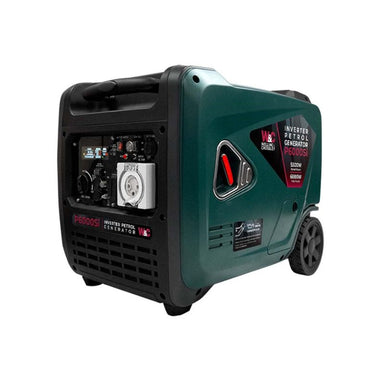
Blackouts hit without warning — and when they do, a generator for home keeps your household running. At Generators Australia, we stock a full range of home generators — from compact petrol units to powerful diesel standby setups — so you're never caught unprepared.

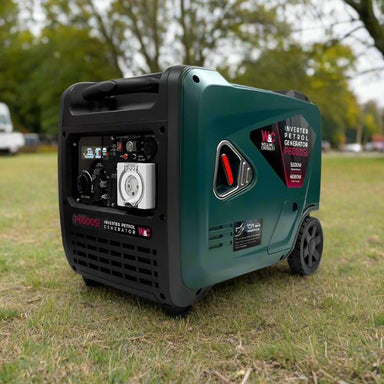
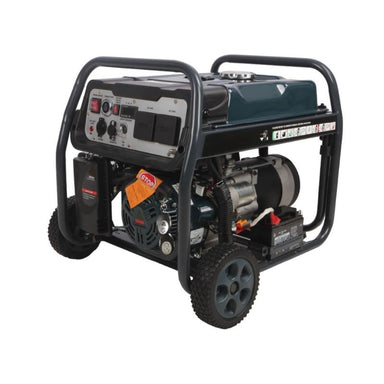
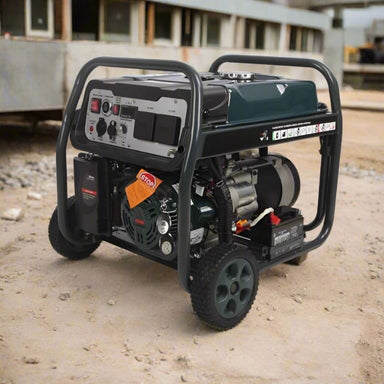
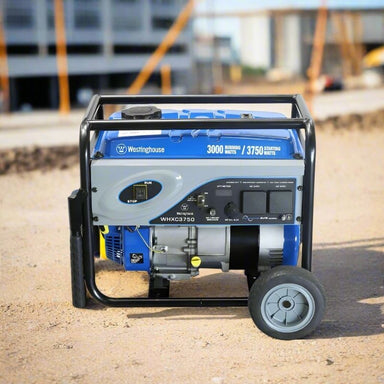
A petrol generator running outside a suburban Australian home during a power outage

Choose the Right Home Generator

What Size Generator Do You Need?

Most homes need a generator in the 3kVA to 8kVA range to run essentials — fridges, lights, TV, and fans. For whole-home coverage including air-conditioning, you'll want 8kVA or more. Add up the wattage of your key appliances and match it to a unit with some headroom to spare.

Petrol vs Diesel Home Generators

Petrol generators are cheaper upfront and good for occasional use. Diesel units cost more to buy but run more efficiently over time — ideal if you're using your generator regularly or for extended periods. For most suburban homes, petrol is practical. For rural or farm properties, diesel often makes more sense.

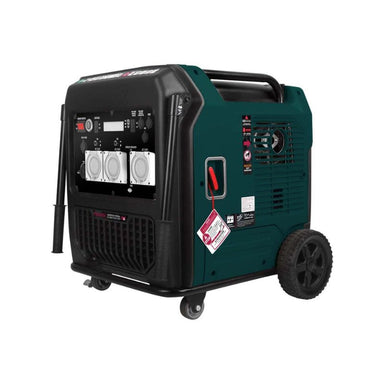
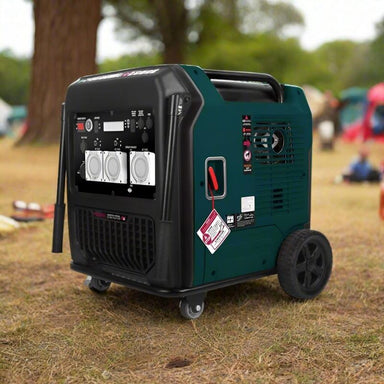
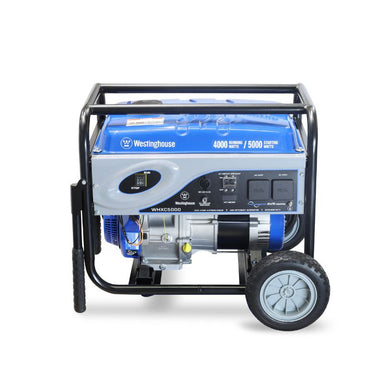
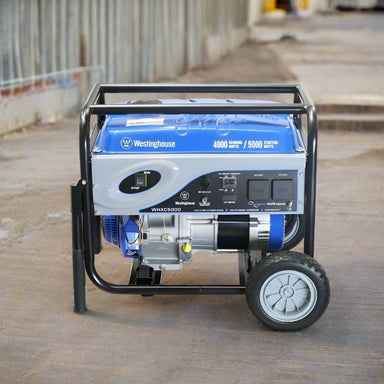
A running generator connected to household appliances during a power outage

Generators For Home: Key Features to Look For

Automatic Start and Transfer Switches

Some home generators come with automatic start — the moment power drops, the generator kicks in without you lifting a finger. If you want true peace of mind, look for units that support a transfer switch to safely connect to your home's wiring.

Noise Levels, Runtime, and Fuel Efficiency

Nobody wants to listen to a generator droning all night. Look for models with good noise ratings — inverter units tend to run much quieter. Also check the tank size and estimated runtime: a larger tank means fewer refuels during a long outage.


Generators For Home FAQs

What size generator do I need for home backup power?

It depends on what you're running. A 3-5kVA inverter generator will handle the essentials - fridge, lights, phone charging, a fan. If you want to run air conditioning or a hot water system as well, you're looking at 8kVA or more. True Gear stocks everything from compact 3.2kW inverter units up to 20kVA open-frame generators, so there's something for every situation.
How much does a home generator cost in Australia?

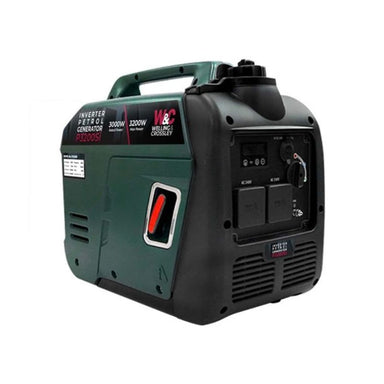
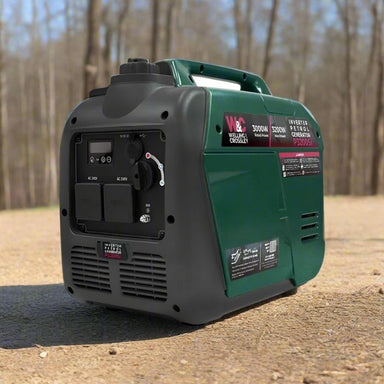
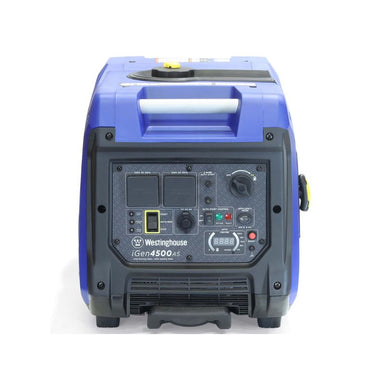
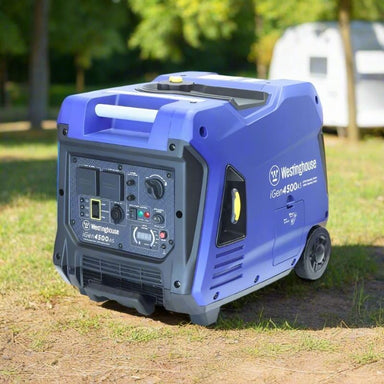
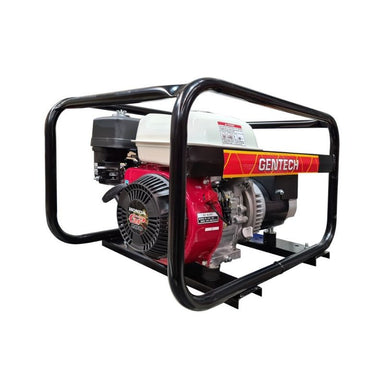
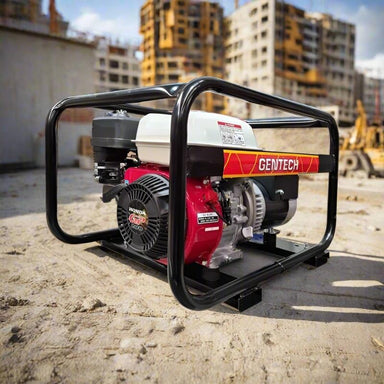
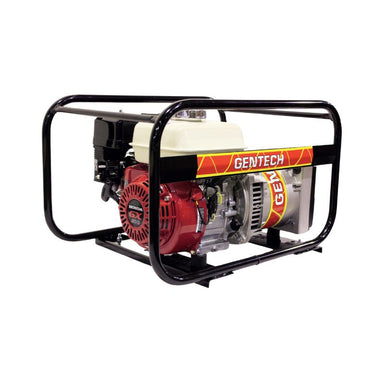
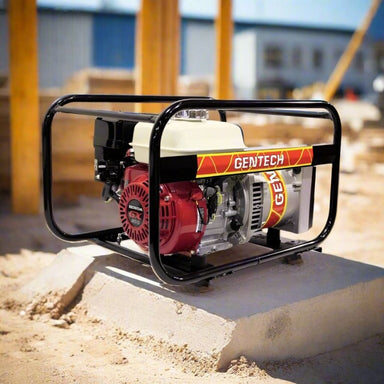
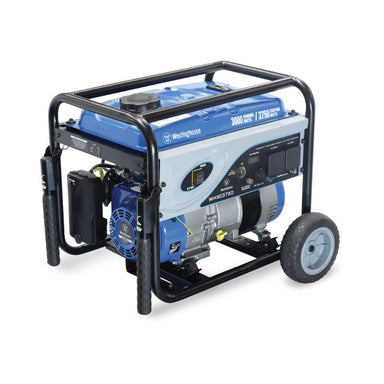
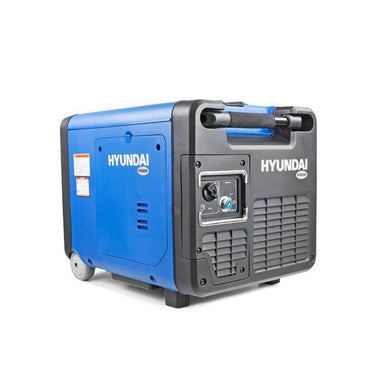
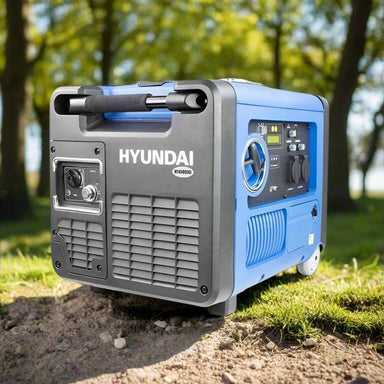
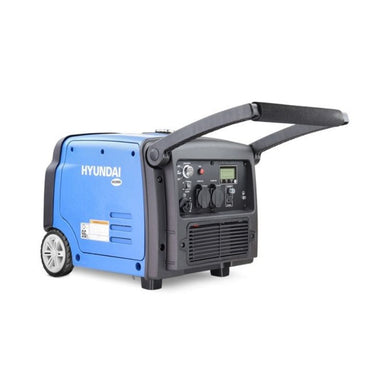
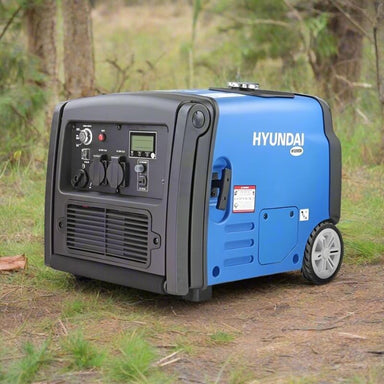
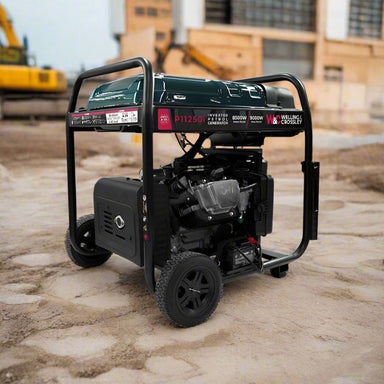
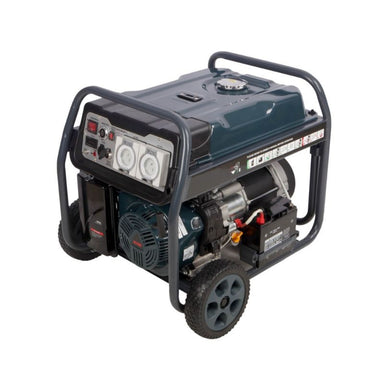
A decent inverter generator for home use starts around $1,099 and goes up to $3,500 or so for a quality 9kW unit. If you need serious backup power for a larger home or rural property, heavy-duty generators can run to $8,500 and beyond. True Gear stocks options across the full range from brands like Welling & Crossley, Westinghouse, Gentech, and Hyundai.

What's the difference between an inverter generator and an open-frame generator?

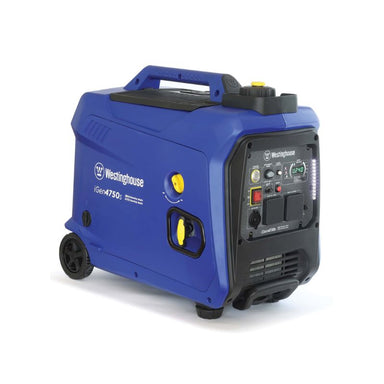
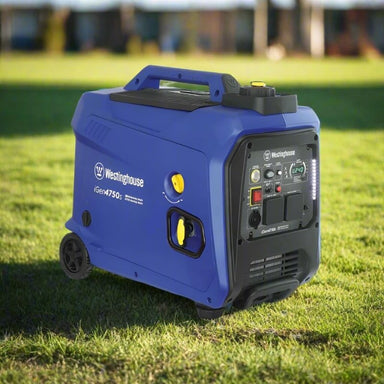
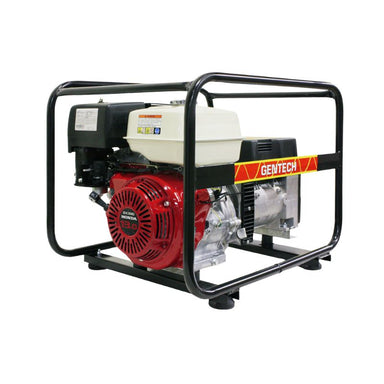
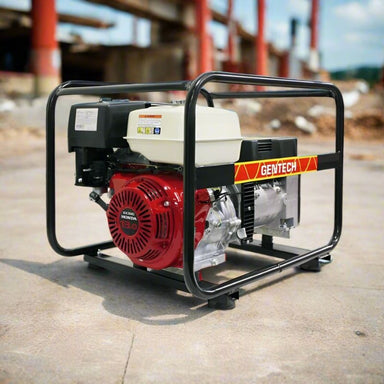
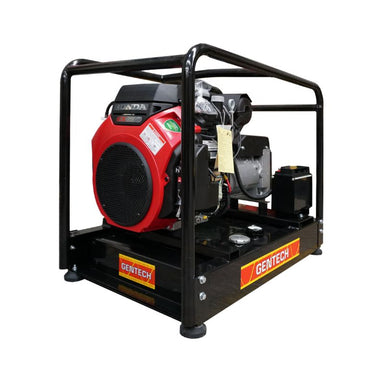
An inverter generator produces clean, stable power that's safe for sensitive electronics like TVs, laptops, and medical equipment. They're also quieter and more fuel-efficient. Open-frame generators are louder and less refined, but they deliver more raw power for the dollar - better suited to running power tools, pumps, or heavy appliances where clean power isn't critical.

What brands of home generators does True Gear stock?

True Gear stocks generators from Gentech, Welling & Crossley, Westinghouse, Hyundai, Champion, and Macfarlane. Most are petrol-powered with options for electric start, recoil start, or remote start. Diesel models are available too for those who prefer it for rural or long-run applications.

Can I use a petrol generator to power my whole house during an outage?

You can run the essentials, but powering everything in a modern home simultaneously usually requires a large generator (10kVA+) and a proper transfer switch installed by a licensed electrician. Most people use a generator to keep the fridge going, charge devices, run a fan or heater, and keep the lights on - which a 5-8kVA unit handles comfortably. If you're on a rural property and need more coverage, True Gear has larger open-frame units up to 20kVA.