
EOFY SALE - ON NOW
EOFY SALE - ON NOW
Skip to content

Generators For Home

Filters

Shop All Generators For Home

Learn More 👇

Power out again? Don’t stress — we’ve got you covered. At Generators Australia, our generators for home keep the lights on, the fridge cold, and the Wi-Fi humming. Whether you’re prepping for blackouts or going off-grid, here’s how to find the right power solution for your home setup.

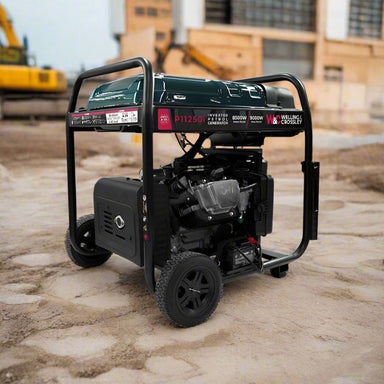
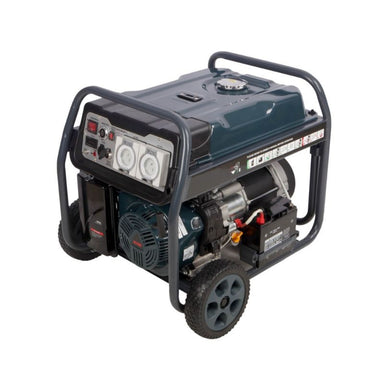
Portable and standby generators for home use displayed outdoors
Choosing the Best Generator for Home Backup Power

When choosing the best generator for home backup power Australia offers, think about what you need to run during an outage — just essentials like lights and a fridge, or your whole home? The best generators balance size, fuel efficiency, and noise levels without blowing your budget.

Determining What Size Generator Your House Needs (kW vs. kVA)

Power ratings can be confusing, but here’s the simple version:

  • kW (kilowatts) = usable power
  • kVA (kilovolt-amps) = apparent power (includes inefficiencies)

For most Australian homes, a generator between 5–10kVA handles basic circuits. Larger properties or homes with big air-con units might need more grunt. Always allow a safety buffer for starting loads.

Key Factors When Comparing the Best Generators

Before buying, weigh up the key differences that impact real-world performance.

Fuel Type Comparison (Petrol, Diesel, LP Gas)

  • Petrol generators – easy to refuel, great for short use.
  • Diesel generators – tough, efficient, and the best diesel generator for home backup over long runs.
  • LP gas – clean and quiet but needs proper setup and storage.

Noise Level and Location Considerations

For suburban homes, silent generators for home are ideal. Look for inverter or enclosed units — they’re quieter and safer to run near the house.

Running vs. Starting Watts

Starting watts cover power surges when motors kick in. Make sure your generator’s running watts comfortably cover continuous use — think fridges, lights, and Wi-Fi routers running all night.

Silent inverter generator and battery power station providing backup power in a home living room during an outage

Exploring Generator Types for Australian Homes

Different homes call for different setups — here’s what to look for.

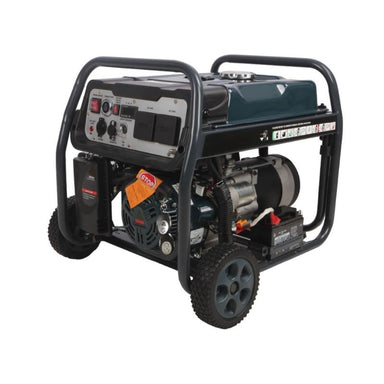
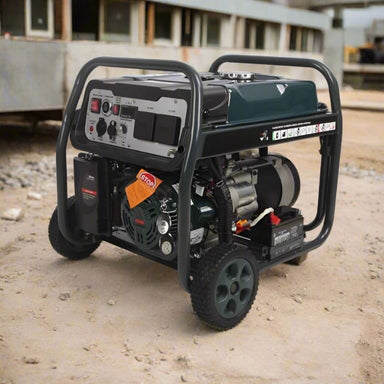
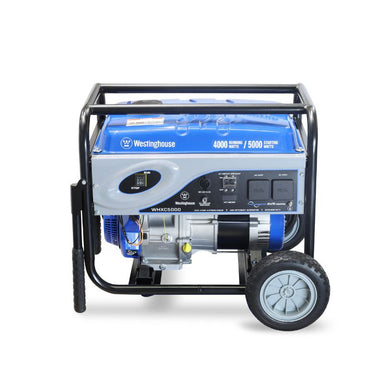
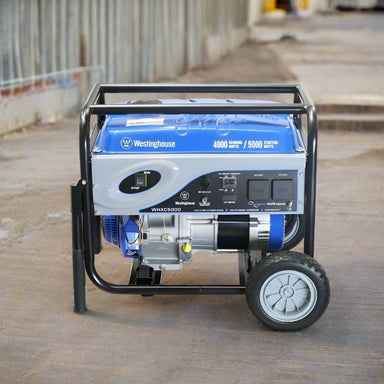
Portable Generators for Home: Flexibility and Convenience

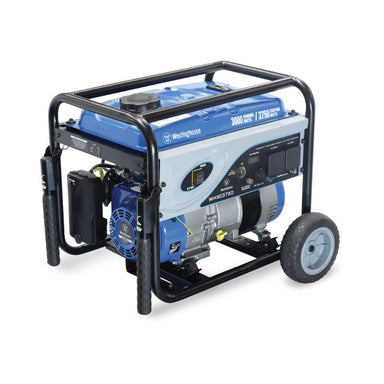
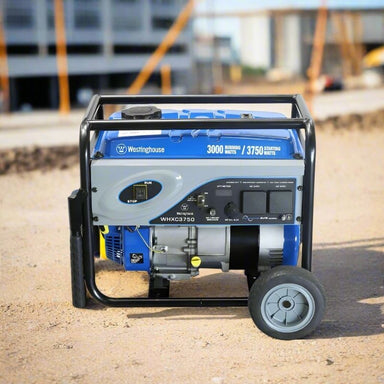
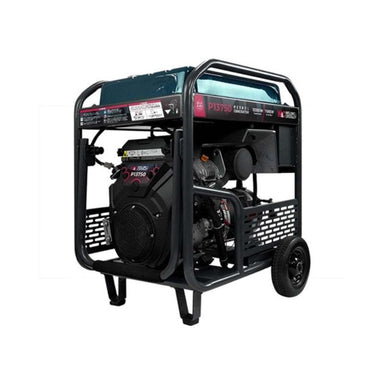
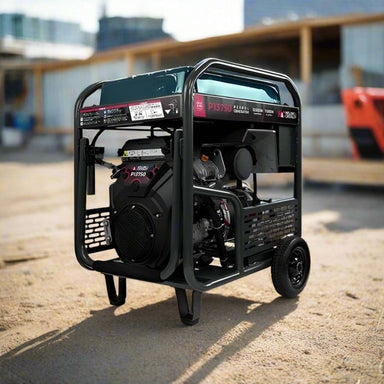
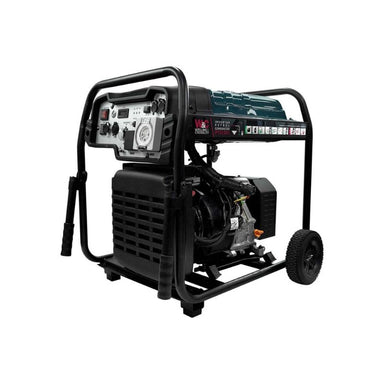
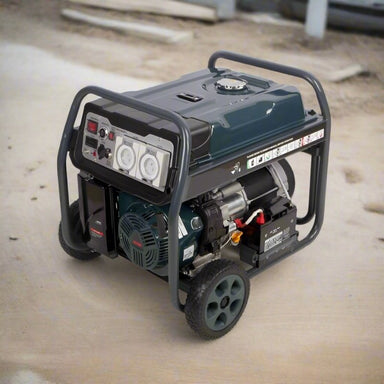
Portable generators for home use are perfect for renters, small homes, or anyone who needs flexibility. Easy to move, easy to start, and affordable to maintain.

Silent Generators for Home: Inverter and Battery Power Stations

Need peace and quiet? Inverter units and generators for home with battery backup deliver reliable power with minimal noise. Ideal for indoor appliances or night-time use.

Standby and Diesel Generators for Home Backup

For full-home coverage, standby generators kick in automatically when the grid drops out. Pair with a diesel generator for efficiency and long runtime — a dependable choice for regional areas or off-grid properties.

FAQs

What size generator do you need to power a house?

Usually 5–10kVA for essentials; larger homes may need 15kVA+.

Can a generator power a whole house?

Yes — with a standby or diesel system and proper wiring.

How long can a generator run continuously?

Portable units: 8–12 hours. Diesel standby systems: up to 48 hours or more.

Can solar panels charge a generator?

Some battery-powered generators support solar input — check compatibility.

Generators For Home FAQs

What size generator do I need for home backup power?

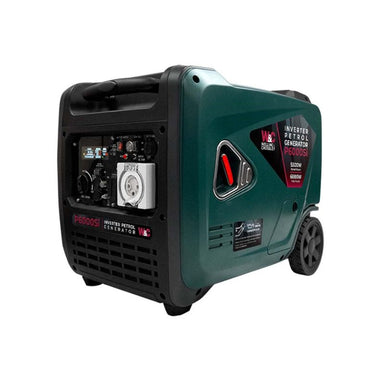
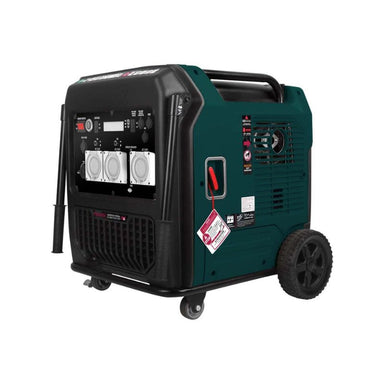
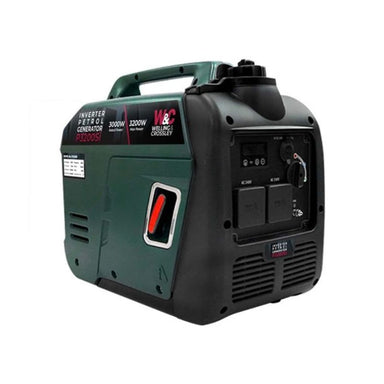
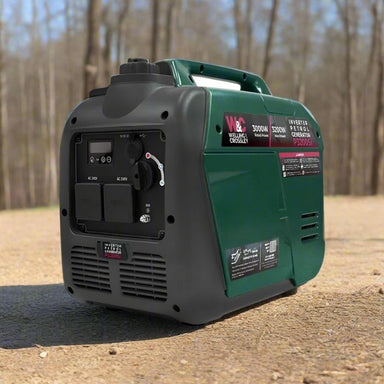
It depends on what you're running. A 3-5kVA inverter generator will handle the essentials - fridge, lights, phone charging, a fan. If you want to run air conditioning or a hot water system as well, you're looking at 8kVA or more. True Gear stocks everything from compact 3.2kW inverter units up to 20kVA open-frame generators, so there's something for every situation.

How much does a home generator cost in Australia?

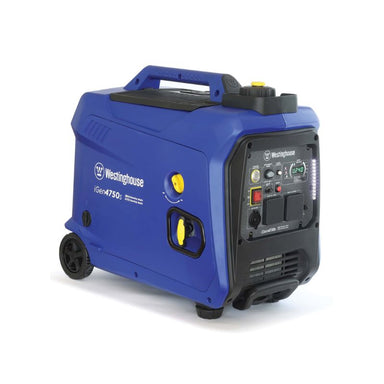
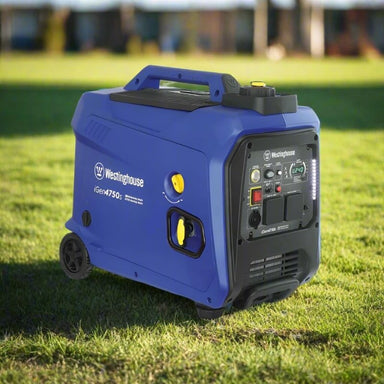
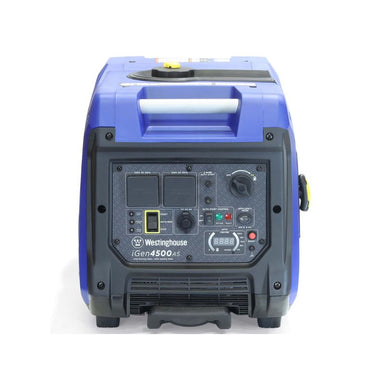
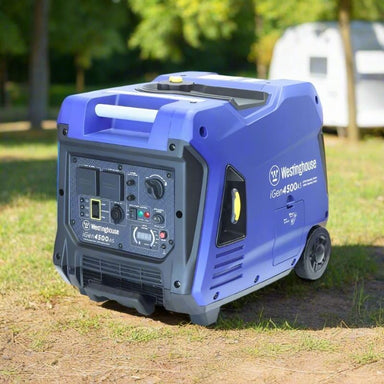
A decent inverter generator for home use starts around $1,099 and goes up to $3,500 or so for a quality 9kW unit. If you need serious backup power for a larger home or rural property, heavy-duty generators can run to $8,500 and beyond. True Gear stocks options across the full range from brands like Welling & Crossley, Westinghouse, Gentech, and Hyundai.

What's the difference between an inverter generator and an open-frame generator?

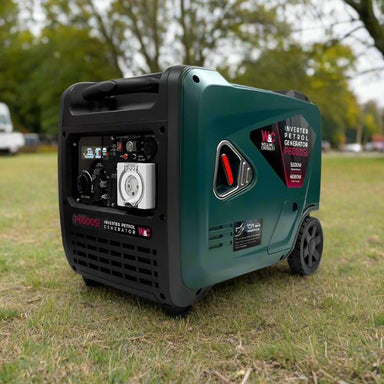
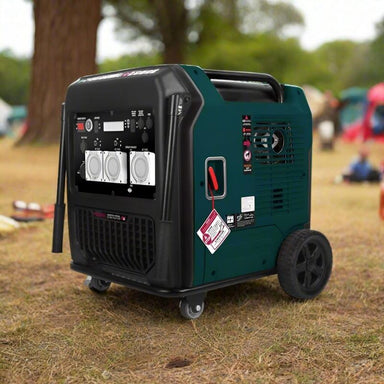
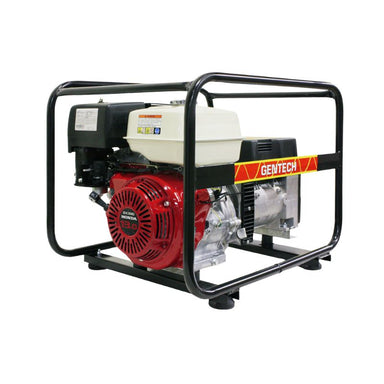
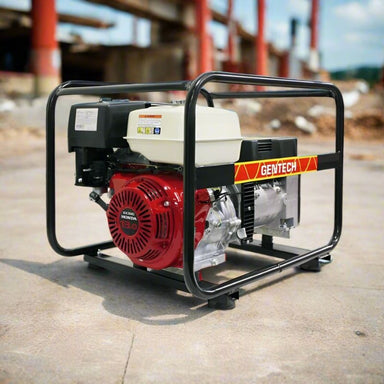
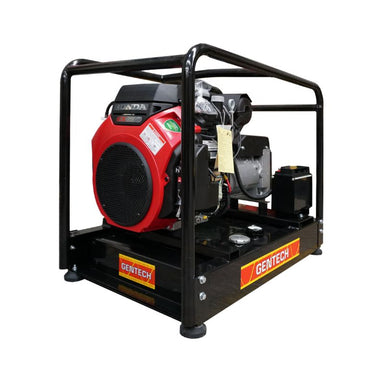
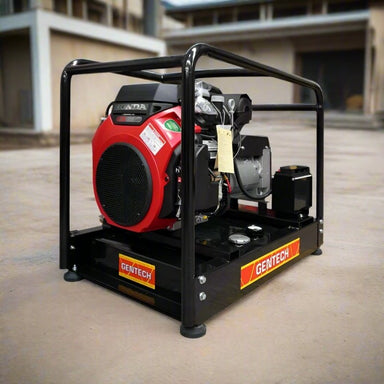
An inverter generator produces clean, stable power that's safe for sensitive electronics like TVs, laptops, and medical equipment. They're also quieter and more fuel-efficient. Open-frame generators are louder and less refined, but they deliver more raw power for the dollar - better suited to running power tools, pumps, or heavy appliances where clean power isn't critical.

What brands of home generators does True Gear stock?

True Gear stocks generators from Gentech, Welling & Crossley, Westinghouse, Hyundai, Champion, and Macfarlane. Most are petrol-powered with options for electric start, recoil start, or remote start. Diesel models are available too for those who prefer it for rural or long-run applications.

Can I use a petrol generator to power my whole house during an outage?

You can run the essentials, but powering everything in a modern home simultaneously usually requires a large generator (10kVA+) and a proper transfer switch installed by a licensed electrician. Most people use a generator to keep the fridge going, charge devices, run a fan or heater, and keep the lights on - which a 5-8kVA unit handles comfortably. If you're on a rural property and need more coverage, True Gear has larger open-frame units up to 20kVA.